
As organizations continue to migrate critical data and applications to the cloud, database security has become a top strategic priority. While cloud infrastructure offers significant advantages—such as scalability, flexibility, and cost efficiency—it also introduces new security challenges that organizations must address.
Understanding the current state of cloud database security is essential for protecting sensitive data while maintaining operational agility, an area where companies like CENTRAL PROFESSIONAL UNIT SOLUTION CO., LTD focus on delivering secure and resilient technology solutions.
This article explores the cloud database security landscape, key risks, best practices, and the critical considerations organizations need to stay secure in an increasingly cloud-driven environment.
Understanding Cloud Database Security Today
What Is Cloud Database Security?
Cloud database security refers to the policies, technologies, and controls used to protect data stored in cloud-based database systems. These databases may be hosted on public, private, or hybrid cloud environments and often support mission-critical business operations.
Key security objectives include:
- Data confidentiality and integrity
- Controlled access and authentication
- Continuous monitoring and threat detection
- Regulatory compliance
In today’s environment, cloud database security is no longer just an IT concern—it is a business risk management issue.
Why Cloud Databases Are a Prime Target
Cloud databases store high-value information such as customer data, financial records, intellectual property, and operational insights. As a result, they are attractive targets for:
- Cybercriminals
- Insider threats
- Automated attacks and bots
The current state of cloud database security reflects a constant arms race between attackers and defensive technologies.

Key Security Challenges in Cloud Databases
Expanding Attack Surface
Cloud environments are highly dynamic. Databases are frequently scaled, replicated, and accessed across regions, which increases the attack surface. Common risk factors include:
- Misconfigured access controls
- Exposed APIs and endpoints
- Weak identity and access management (IAM)
Misconfiguration remains one of the leading causes of cloud database breaches, highlighting common cloud database security risks in dynamic cloud environments.
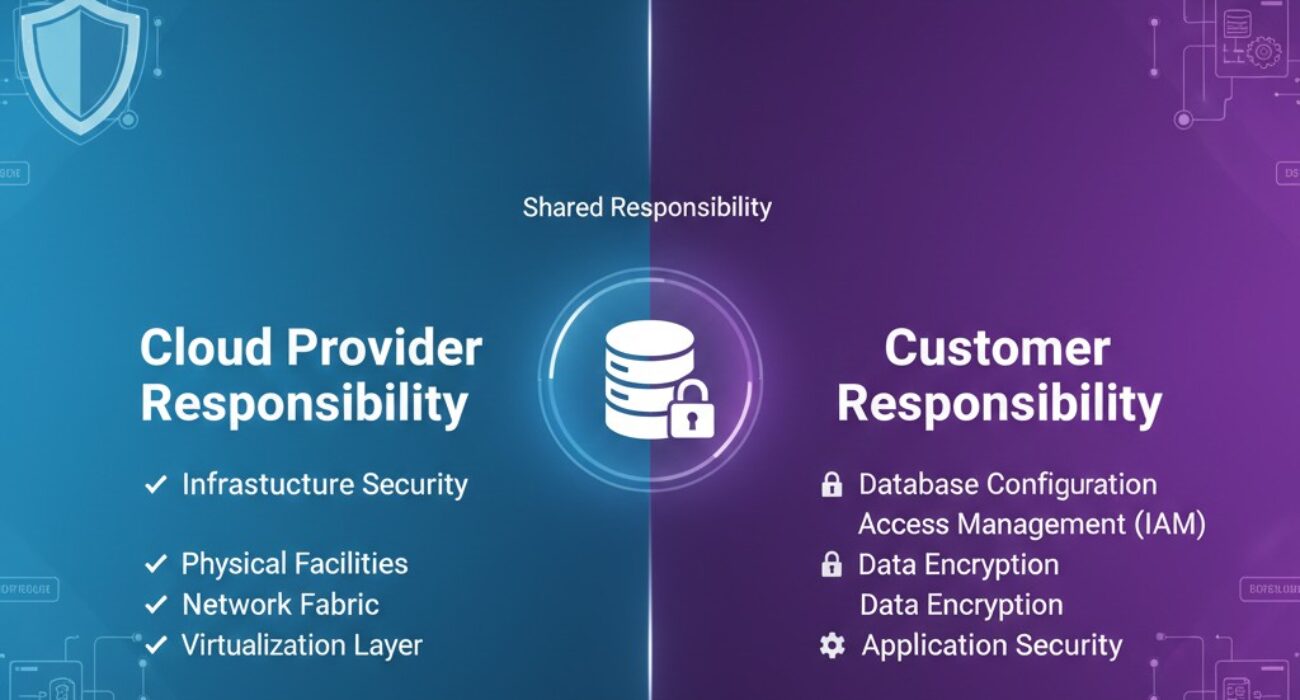
Shared Responsibility Model Confusion
One of the most misunderstood aspects of cloud security is the shared responsibility model. While cloud providers secure the infrastructure, organizations are responsible for:
- Database configuration
- Access management
- Data encryption
- Application-level security
Misunderstanding this division of responsibility often leads to security gaps.
Core Components of Modern Cloud Database Security
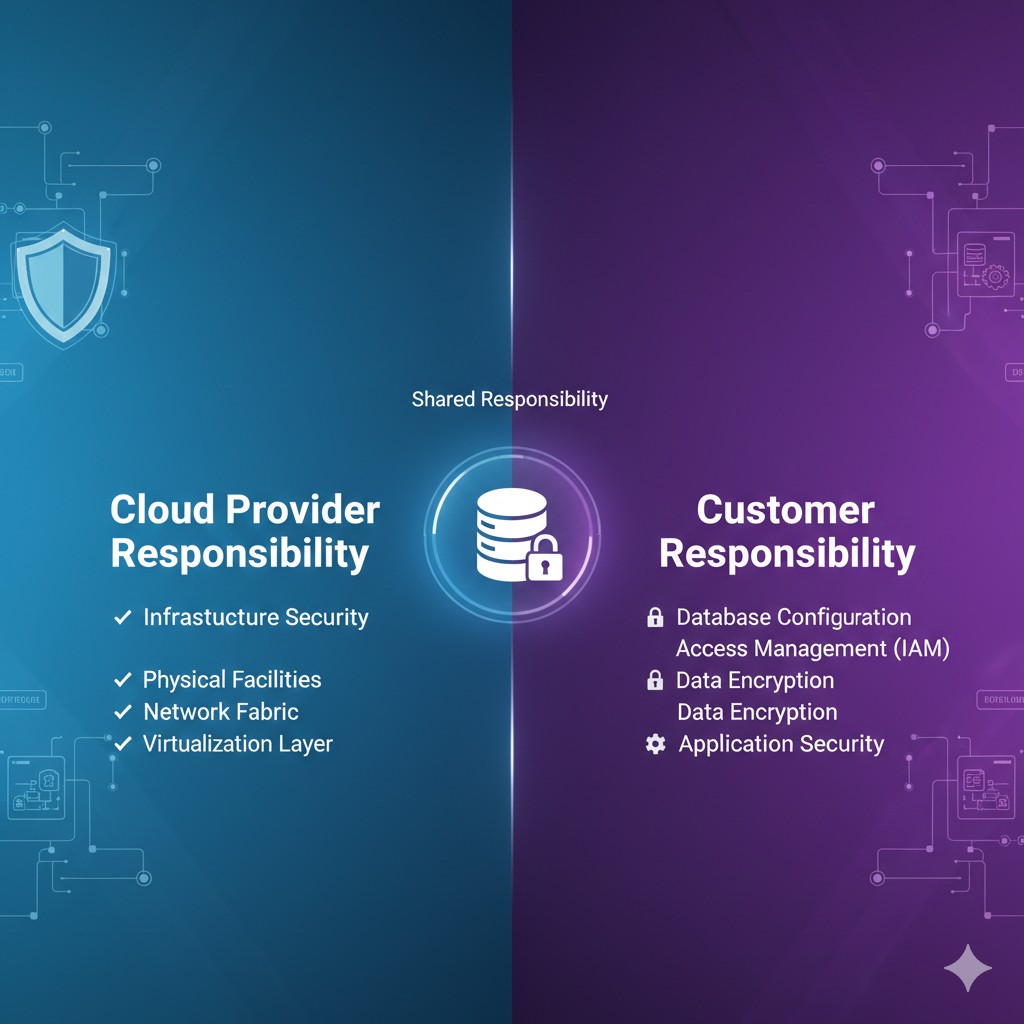
Identity and Access Management (IAM)
Strong IAM is foundational. Organizations must implement:
- Role-based access control (RBAC)
- Multi-factor authentication (MFA)
- Least-privilege access policies
Limiting who can access cloud databases—and under what conditions—is critical to reducing risk.
Encryption and Data Protection
Encryption protects data both at rest and in transit. In the current state of cloud database security, organizations should ensure:
- Strong encryption standards
- Secure key management
- Regular key rotation
Encryption minimizes the impact of breaches by rendering stolen data unusable.
Monitoring, Detection, and Incident Response
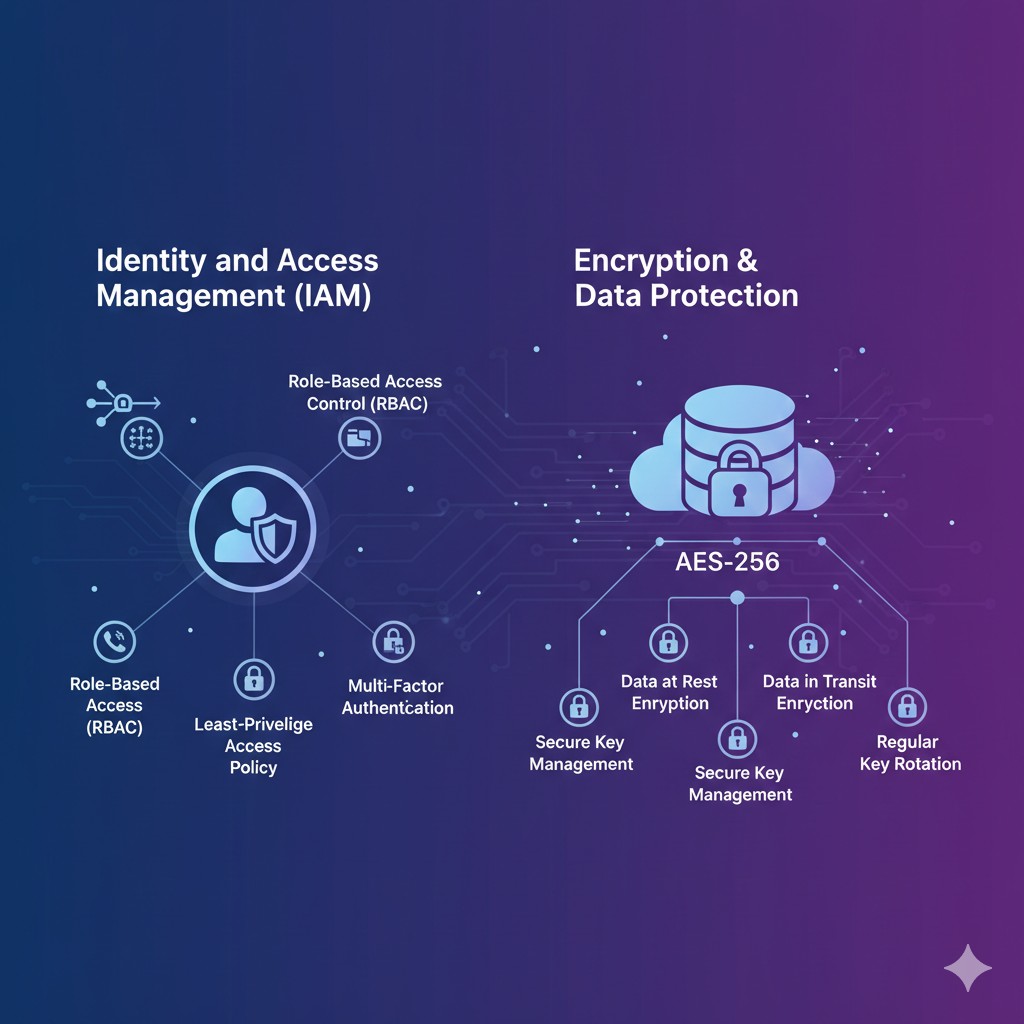
Continuous Monitoring and Visibility
Modern cloud environments require real-time visibility into database activity. Security teams rely on:
- Activity logging and auditing
- Anomaly detection
- Behavioral analytics
These tools help identify suspicious behavior before it escalates into a breach, often as part of layered Cloudflare AWS security solutions for cloud databases.
Incident Response in Cloud Environments
Effective cloud database security includes a clear incident response strategy. Organizations must be prepared to:
- Detect breaches quickly
- Contain and isolate affected systems
- Restore data and service
- Meet reporting and compliance requirements
Speed and coordination are essential to minimizing damage.
Compliance and Regulatory Considerations
Meeting Industry and Regional Regulations
Cloud databases often store regulated data subject to standards such as:
- GDPR
- HIPAA
- PCI DSS
- ISO/IEC 27001
The current state of cloud database security requires organizations to align technical controls with compliance obligations.
Audits and Accountability
Cloud-native tools enable detailed audit trails, making it easier to demonstrate compliance. However, organizations must actively manage and review these logs to ensure accountability.
Best Practices for Strengthening Cloud Database Security
Security by Design
Security should be embedded from the beginning, not added later. Best practices include:
- Secure default configurations
- Automated security checks
- Infrastructure-as-code with security controls
A proactive approach reduces long-term risk.
Automation and AI-Driven Security
Automation plays a growing role in cloud database security. AI-driven tools can:
- Detect anomalies in real time
- Respond automatically to threats
- Reduce human error
These capabilities are increasingly important as environments grow more complex.
The Future of Cloud Database Security
Zero Trust and Adaptive Security Models
The future of cloud database security is moving toward Zero Trust architectures, where no user or system is trusted by default. Continuous verification and adaptive controls will define next-generation security strategies.
Security as a Business Enabler
Rather than slowing innovation, strong cloud database security enables organizations to:
- Adopt cloud technologies with confidence
- Scale operations securely
- Build trust with customers and partners
Security is becoming a competitive advantage when supported by strong enterprise data security management beyond technology alone.
Conclusion
Understanding The Current State of Cloud Database Security: What Organizations Should Know is critical for any organization operating in the cloud. As threats grow more sophisticated and cloud environments become more complex, businesses must adopt comprehensive, proactive security strategies to protect their data.
By focusing on strong access controls, encryption, monitoring, and compliance, organizations can reduce risk while continuing to leverage the full benefits of cloud databases in today’s digital economy.