
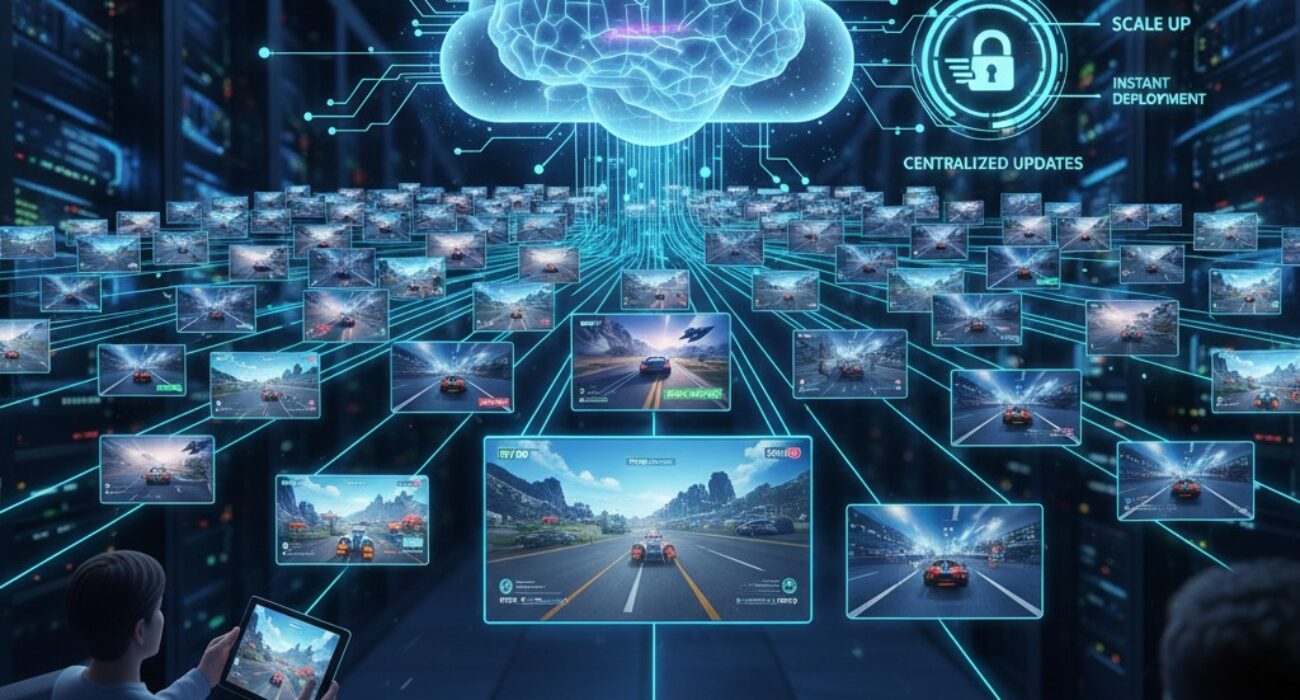
The rapid evolution of digital infrastructure has transformed how games are developed, delivered, and experienced. At the center of this transformation are cloud gaming platforms, which leverage cloud computing and real-time data processing to redefine performance, accessibility, and scalability. Rather than relying solely on local hardware, modern gaming ecosystems now operate as interconnected, data-driven platforms.
This article explores how cloud technology, real-time data, and gaming platforms work together to power the next generation of digital gaming experiences.
Understanding Cloud Gaming Platforms
What Are Cloud Gaming Platforms?
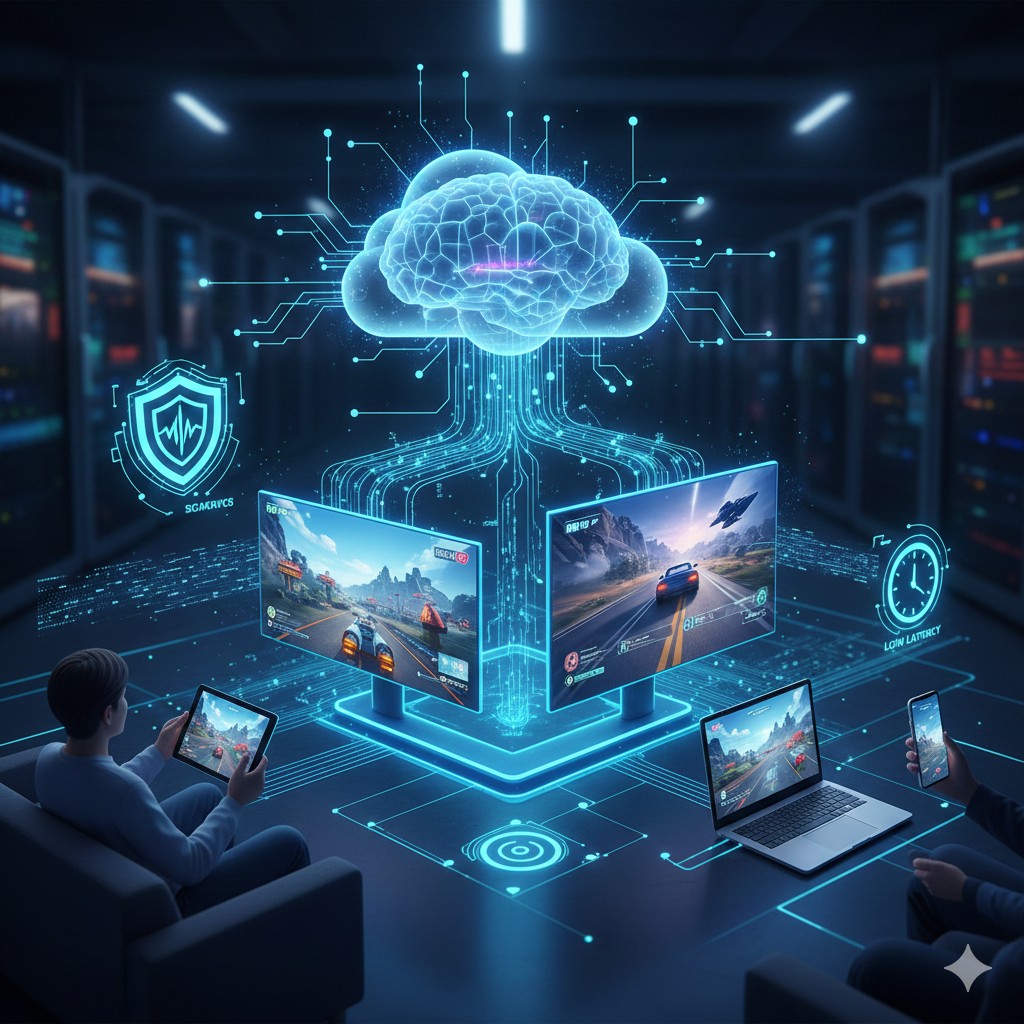
Cloud gaming platforms are systems that run games on remote servers instead of local devices. Games are processed in the cloud, while players stream the experience in real time to their screens. This approach allows users to access high-quality games without the need for expensive hardware.
Core characteristics of cloud gaming platforms include:
- Server-side rendering and processing
- Real-time video and input streaming
- Device-agnostic access
- Centralized system management
These platforms shift gaming from a product-based model to a service-based ecosystem within the broader digital gaming and interactive systems landscape.
Why Cloud Gaming Is Gaining Momentum
The growth of cloud gaming platforms is driven by several factors:
- Increased global internet speeds
- Expansion of 5G networks
- Rising demand for cross-device gaming
- Lower barriers to entry for users
As infrastructure improves, cloud-based gaming becomes more reliable, scalable, and cost-efficient, reinforcing the growing role of interactive systems technology in modern digital experiences.
The Role of Real-Time Data in Cloud Gaming
Real-Time Data Processing Explained
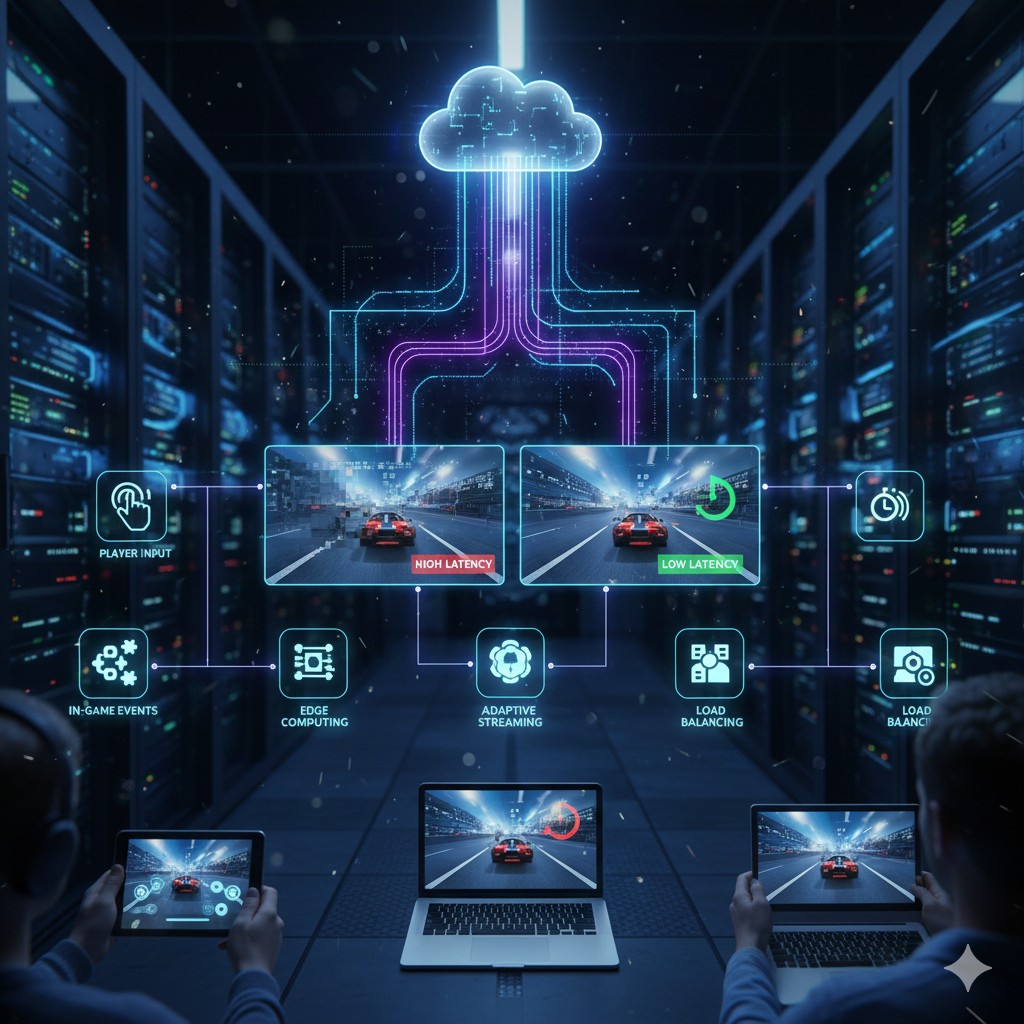
Real-time data refers to information that is collected, processed, and acted upon instantly. In cloud gaming platforms, real-time data includes:
- Player inputs (controls, gestures, commands)
- System performance metrics
- Network latency and bandwidth conditions
- In-game events and interactions
This data must be processed with minimal delay to ensure smooth gameplay and responsiveness.
Latency as a Critical Factor
Low latency is essential for cloud gaming success. Even small delays can negatively impact user experience. Cloud gaming platforms rely on:
- Edge computing
- Adaptive streaming technologies
- Intelligent load balancing
These techniques help minimize latency and maintain consistent performance across regions and devices, supported by modern enterprise cloud infrastructure architectures.
How Cloud Infrastructure Powers Gaming Platforms
Scalable Computing Resources
One of the biggest advantages of cloud gaming platforms is scalability. Cloud infrastructure allows platforms to:
- Dynamically allocate computing power
- Support large numbers of concurrent users
- Scale up during peak demand
- Reduce operational costs during low usage
This elasticity enables gaming platforms to grow without physical hardware limitations.
Centralized Updates and Maintenance
With cloud-based architecture, updates and patches are deployed centrally. This ensures:
- All users access the latest version instantly
- Reduced compatibility issues
- Faster bug fixes and security updates
Centralized control enhances stability and consistency across the gaming ecosystem.

Cloud Gaming Platforms and Cross-Device Experiences
Device Independence and Accessibility
Cloud gaming platforms allow users to play on:
- Smartphones and tablets
- PCs and laptops
- Smart TVs and kiosks
- Interactive gaming stations
Because processing happens in the cloud, the user experience remains consistent regardless of device capabilities.
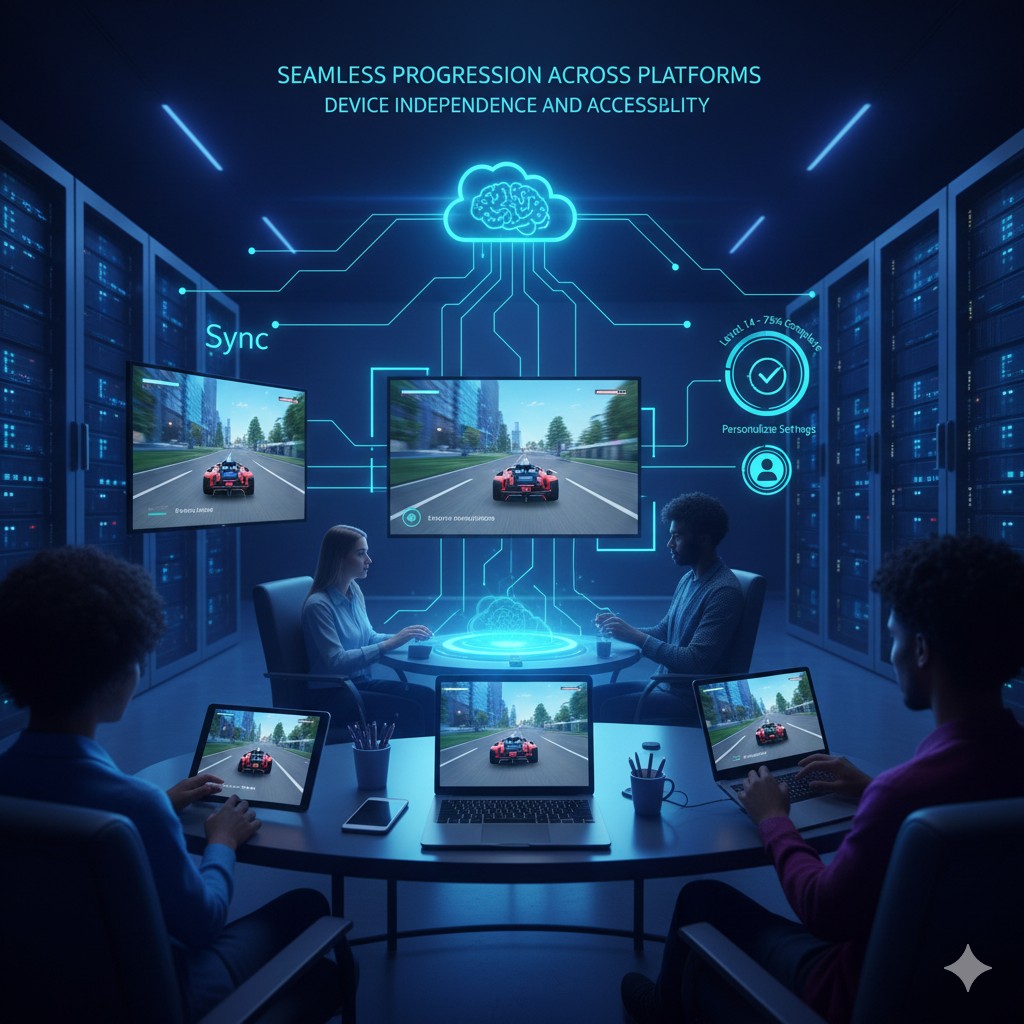
Seamless Progression Across Platforms
Real-time data synchronization enables players to:
- Resume gameplay on different devices
- Maintain progress and achievements
- Access personalized settings anywhere
This flexibility aligns with modern digital lifestyles and user expectations.
Data-Driven Optimization and Personalization
Performance Optimization Through Data
Cloud gaming platforms continuously analyze real-time data to:
- Optimize streaming quality
- Adjust resolution and frame rates
- Detect and resolve system bottlenecks
This data-driven approach ensures stable performance even under changing network conditions.
Personalized Gaming Experiences
By analyzing user behavior, cloud gaming platforms can deliver:
- Personalized recommendations
- Adaptive difficulty levels
- Customized content delivery
Real-time data transforms gaming platforms into intelligent systems that adapt to individual users.
Security and Reliability in Cloud Gaming Platforms
Protecting User Data
As cloud gaming platforms handle large volumes of user data, security is critical. Robust platforms implement:
- Encrypted data transmission
- Secure authentication systems
- Continuous monitoring and threat detection
Trust is a foundational requirement for widespread adoption.
Ensuring High Availability
Downtime directly impacts user satisfaction. Cloud gaming platforms rely on:
- Redundant server architectures
- Automated failover systems
- Global data centers
These measures ensure reliability and uninterrupted service.
The Future of Cloud Gaming Platforms
Integration with Emerging Technologies
Cloud gaming platforms are increasingly integrating with:
- Artificial Intelligence for smarter matchmaking
- Virtual and Augmented Reality
- Interactive systems and digital ecosystems
- Metaverse environments
These integrations will further blur the line between gaming, social interaction, and digital experiences.
From Gaming to Interactive Digital Platforms
In the future, cloud gaming platforms will evolve beyond entertainment into:
- Training and simulation tools
- Interactive education platforms
- Experiential marketing environments
Cloud-based gaming technology will become a core component of broader interactive systems.
Conclusion
The convergence of cloud infrastructure, real-time data, and gaming platforms is reshaping the digital gaming industry. Cloud gaming platforms enable scalable performance, real-time responsiveness, and seamless cross-device experiences that were once impossible with traditional systems.
As technology continues to advance, cloud gaming platforms will play an increasingly central role in powering interactive, data-driven, and immersive digital experiences—setting new standards for how games and interactive content are delivered worldwide.